How Long Do Appliances Last? Lifespan by Category
Fri Jun 12 2026
- Maintenance & Cleaning
Appliances are some of the most important investments in your home, but they don't last forever. Most major household appliances last between 10 and 15 years, although actual lifespan varies by appliance type, usage habits, and maintenance. Refrigerators typically last 10-15 years, washers around 10-14 years, and dryers approximately 10-13 years. Understanding the typical refrigerator lifespan, washer lifespan, dryer lifespan, and other common appliance lifespans can help you determine when to replace appliances and when a repair might still make sense.
Key Takeaways: Appliance Lifespans at a Glance
-
Most major household appliances last between 10 and 15 years with proper maintenance.
-
Refrigerators typically last 10-15 years, while washers and dryers often last 10-13 years.
-
Regular cleaning and maintenance can significantly extend appliance lifespan.
-
Frequent repairs, rising utility costs, and declining performance are often signs it's time to replace an appliance.
-
Investing in quality appliances and following manufacturer care recommendations can maximize long-term value.
Why Appliance Lifespan Matters
Understanding appliance lifespan isn't just about avoiding breakdowns. It also helps homeowners budget for future replacements, improve energy efficiency, and make informed decisions about repairs versus replacement.
As appliances age, they often become less efficient, requiring more water, electricity, or gas to perform the same tasks. Older appliances may also lack the convenience features, performance enhancements, and energy-saving technologies found in newer models.
Knowing the expected lifespan of each appliance category helps you recognize when an issue is a minor repair versus a sign that replacement may be the better investment.
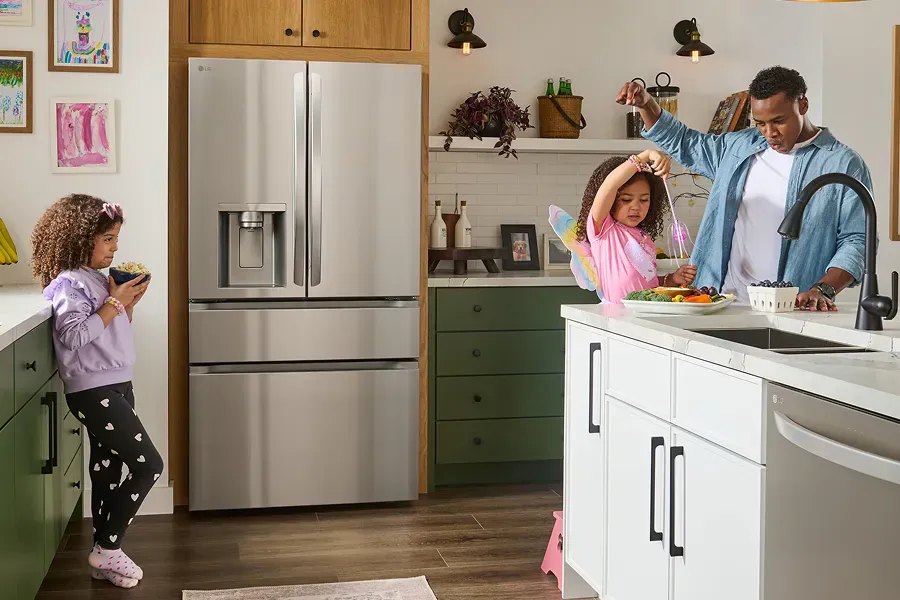
Refrigerator Lifespan: How Long Should a Refrigerator Last?
A typical refrigerator lasts between 10 and 15 years, making it one of the longest-lasting appliances in the home.
Several factors influence refrigerator lifespan, including usage habits, maintenance, and the type of refrigerator you own. Built-in refrigerators often last longer than standard freestanding models because they are built with premium components designed for extended use.
Signs It May Be Time to Replace Your Refrigerator
If your refrigerator is more than a decade old and experiencing any of the following issues, replacement may be worth considering:
-
Food spoils more quickly than it used to
-
The compressor runs constantly
-
Utility bills are increasing
-
Excessive frost or condensation develops
-
Repairs are becoming more frequent
Modern refrigerators offer improved energy efficiency, flexible storage options, and advanced food preservation technologies that can make upgrading worthwhile.
Washer Lifespan: How Long Does a Washing Machine Last?
The average washer lifespan ranges from 10 to 14 years, depending on the type of machine and how heavily it is used.
Front-load and top-load washers can both provide many years of reliable service when properly maintained. However, households that do multiple loads of laundry every day may see more wear and tear than those with lighter usage.
Signs It May Be Time to Replace Your Washer
Watch for these common warning signs:
-
Excessive vibration or noise
-
Water leaks
-
Incomplete wash cycles
-
Persistent mold or odor issues
-
Rising repair costs
Newer washing machines often offer larger capacities, improved stain-fighting performance, and advanced efficiency features that can reduce water and energy consumption.
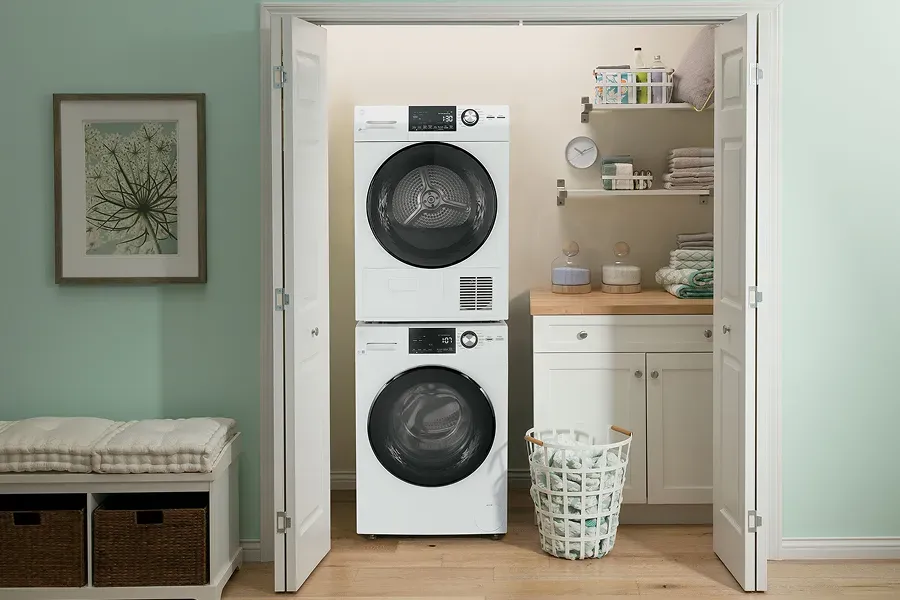
Dryer Lifespan: How Long Does a Dryer Last?
The typical dryer lifespan is approximately 10 to 13 years.
Dryers tend to have fewer water-related issues than washers, but lint buildup, worn heating elements, and mechanical wear can eventually impact performance.
Signs It May Be Time to Replace Your Dryer
You may want to consider replacement if:
-
Clothes require multiple drying cycles
-
The drum stops spinning properly
-
The dryer overheats frequently
-
Repair costs continue to increase
-
Energy bills are climbing unexpectedly
Proper vent cleaning and routine maintenance can help extend dryer life and improve efficiency.
Dishwasher Lifespan: What to Expect
Most dishwashers last approximately 9 to 12 years.
While dishwashers often remain functional beyond this timeframe, performance may gradually decline as spray arms, pumps, and seals wear out.
Signs It May Be Time to Replace Your Dishwasher
Common indicators include:
-
Dishes consistently come out dirty
-
Water pools at the bottom after cycles
-
Leaks develop around the door
-
Excessive noise during operation
-
Frequent repair calls
Today's dishwashers are significantly quieter and more water-efficient than models from a decade ago.
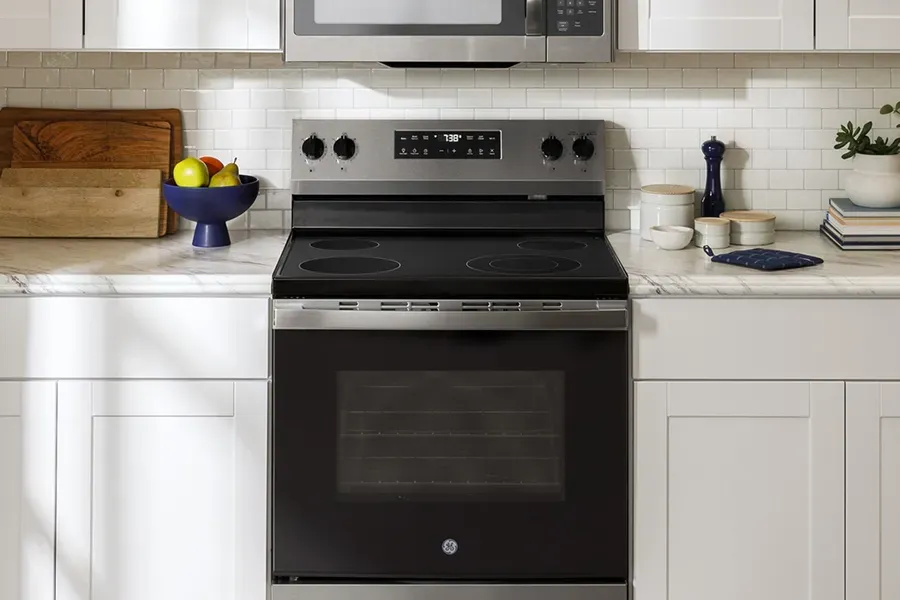
Range, Cooktop, and Oven Lifespan
Cooking appliances generally enjoy some of the longest lifespans in the home.
Average lifespans include:
-
Gas ranges: 13-15 years
-
Electric ranges: 12-15 years
-
Wall ovens: 13-15 years
-
Cooktops: 10-15 years
Because cooking appliances contain fewer moving parts than laundry appliances, they often remain operational longer.
Signs It May Be Time to Replace Your Cooking Appliance
-
Uneven cooking results
-
Temperature inaccuracies
-
Burner ignition problems
-
Control panel failures
-
Frequent service visits
Modern cooking appliances often offer advanced features such as convection cooking, induction technology, steam cooking, and smart connectivity.
Microwave Lifespan
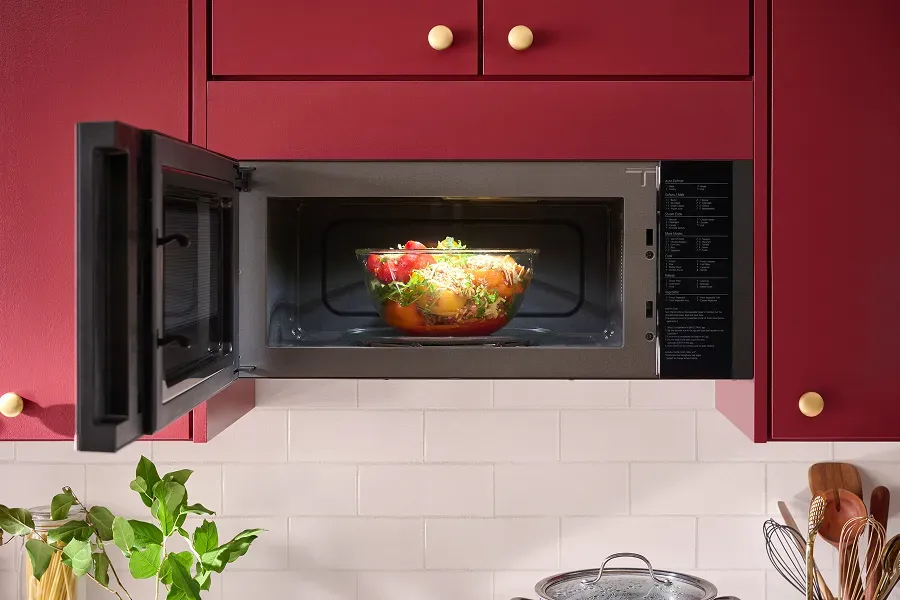
Most microwaves last approximately 7 to 10 years.
Countertop models may have slightly shorter lifespans than built-in units due to heavier daily usage and lower construction costs.
Signs It May Be Time to Replace Your Microwave
-
Food heats unevenly
-
Sparking occurs during operation
-
The turntable stops rotating
-
The door no longer seals properly
-
Buttons become unresponsive
Freezer Lifespan
Standalone freezers often last 12 to 20 years, making them one of the longest-lasting appliances in the home.
Chest freezers frequently outlast upright models due to their simpler design and efficient insulation.
Signs It May Be Time to Replace Your Freezer
-
Temperature fluctuations
-
Excessive frost buildup
-
Rising energy consumption
-
Unusual noises
-
Difficulty maintaining proper freezing temperatures
What Factors Affect Appliance Lifespan?
Several factors influence how long appliances last.
Maintenance
Regular cleaning and preventative maintenance are among the most important factors in maximizing appliance life. Tasks like cleaning refrigerator coils, changing water filters, and clearing dryer vents can prevent premature wear.
Usage Frequency
A family of six naturally puts more stress on appliances than a single-person household. Heavier usage often results in shorter lifespans.
Appliance Quality
Premium appliances are often built with higher-quality materials and components designed for longer-term durability.
Installation
Improper installation can shorten appliance lifespan by causing unnecessary strain on motors, compressors, pumps, and other critical components.
Repair or Replace: How to Decide
One of the most common homeowner questions is whether to repair an appliance or replace it.
A good rule of thumb is the 50/50 rule:
If an appliance is more than halfway through its expected lifespan and the repair cost exceeds 50% of the cost of a replacement, replacement is often the smarter financial decision.
In addition to repair costs, consider energy efficiency, performance improvements, and potential future repair expenses when making your decision.
Find Long-Lasting Appliances at Metro Appliances & More
Whether you're replacing an aging refrigerator, upgrading your laundry appliances, or planning a complete kitchen renovation, choosing the right appliance is an investment in your home's comfort and efficiency.
At Metro Appliances & More, our appliance experts can help you compare models, understand key features, and find products designed to deliver long-term performance and value. From refrigerators and dishwashers to washers, dryers, ranges, and more, we offer trusted brands and expert guidance to help you make a confident decision.
Visit one of your nearest Metro appliance stores in Arkansas, Kansas, Missouri, or Oklahoma, or browse online to find appliances built to serve your home for years to come.
Related readings from our blog:
-
Caring for Your Kitchen Appliances: Tips to Extend Performance and Lifespan
-
To Repair or To Replace: How to Know When It’s Time for a New Appliance
FAQs: How Long Do Appliances Last?
How long do appliances last on average?
Most major household appliances last between 10 and 15 years, although actual lifespan varies by category. Refrigerators, washers, dryers, dishwashers, and cooking appliances all have different expected lifespans based on their design and usage. Proper maintenance can significantly extend appliance longevity. Higher-quality appliances may also provide additional years of service.
What appliance typically lasts the longest?
Standalone freezers often have the longest lifespan, with many lasting 12 to 20 years or more. Gas ranges, wall ovens, and built-in refrigerators are also known for their durability. Lifespan depends on maintenance, usage, and product quality. Regular upkeep can help maximize longevity regardless of appliance type.
When should I replace an appliance instead of repairing it?
Replacement is often recommended when repair costs exceed 50% of the appliance's replacement value and the unit is already beyond half of its expected lifespan. Older appliances may also be less energy efficient and more prone to future repairs. Evaluating long-term costs is important when making the decision. Newer models often provide improved performance and efficiency.
How can I make my appliances last longer?
Routine maintenance is one of the best ways to extend appliance lifespan. Cleaning refrigerator coils, replacing filters, clearing dryer vents, and following manufacturer care recommendations can help prevent premature wear. Avoiding overloading appliances and addressing small issues early can also reduce strain on critical components. Consistent care helps maximize performance and reliability.
Does appliance brand affect lifespan?
Yes, appliance quality and construction can influence how long a product lasts. Premium brands often use more durable components and offer enhanced engineering designed for long-term reliability. However, maintenance and usage habits are still major factors regardless of brand. Even the highest-quality appliances benefit from regular care and proper installation.
Related Articles