How to Clean a Microwave: A Complete Step-by-Step Guide
Fri May 15 2026
- Maintenance & Cleaning
A dirty microwave is more than just an eyesore, it can impact how your appliance performs and even affect the taste and smell of your food. If you’ve ever opened your microwave to find splatters, lingering odors, or hardened food residue, you’re not alone. Learning how to clean a microwave properly is one of the easiest ways to keep your kitchen fresh, hygienic, and running efficiently.
Whether you’re dealing with light daily messes or stubborn, baked-on stains, this guide will walk you through the most effective cleaning methods, what to use, and how to maintain your microwave long-term.
Key Takeaways: How to Clean a Microwave
-
Steam cleaning with water and vinegar is the easiest and most effective method
-
Regular cleaning prevents odors, bacteria buildup, and performance issues
-
Avoid harsh chemicals that can damage interior surfaces
-
Cleaning your microwave weekly helps extend its lifespan
-
Simple habits like covering food can reduce future messes
Why It’s Important to Clean Your Microwave Regularly
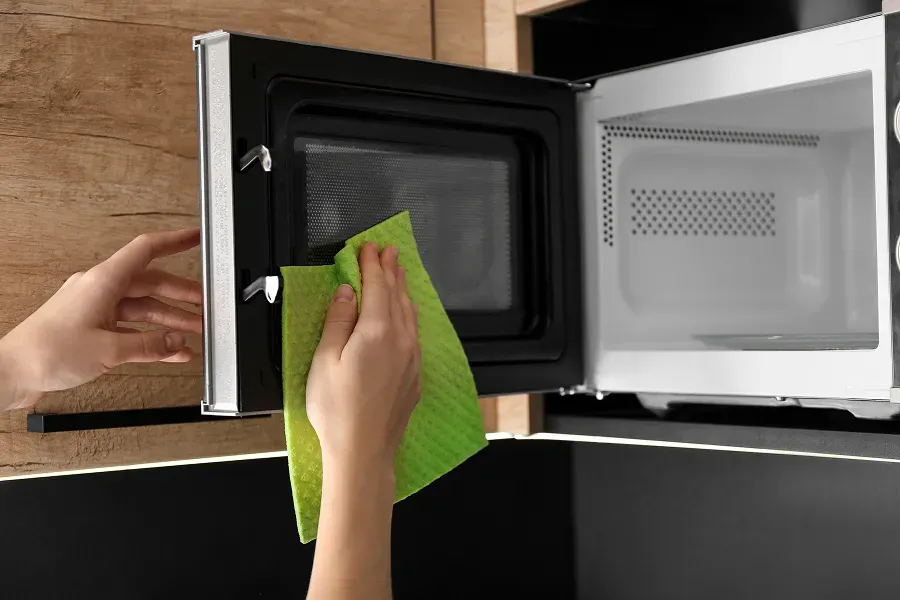
Microwaves are used daily in most homes, yet they’re often one of the most overlooked appliances when it comes to cleaning. Over time, food splatters, grease, and spills build up on the interior walls and ceiling. This buildup doesn’t just look unpleasant—it can create lingering odors and even interfere with how evenly your microwave heats food.
When residue accumulates, it absorbs energy during cooking, which can reduce efficiency and lead to uneven heating. In some cases, leftover food particles can burn, creating smoke or unpleasant smells that transfer to your meals. Regular cleaning helps maintain performance, improves food quality, and keeps your kitchen environment more sanitary.
The Easiest Way to Clean a Microwave (Steam Cleaning Method)
If you’re looking for the simplest and most effective way to clean your microwave, steam cleaning is the go-to method. It requires minimal effort and uses ingredients you likely already have at home.
Start by filling a microwave-safe bowl with one cup of water and adding a few tablespoons of white vinegar or fresh lemon juice. Place the bowl inside the microwave and heat it on high for about 3-5 minutes. As the mixture heats, it creates steam that loosens dried food and grease from the interior surfaces.
Once the cycle is complete, let the bowl sit for a minute or two before opening the door. Carefully remove the bowl, then use a soft cloth or sponge to wipe down the interior. You’ll notice that even stubborn residue comes off easily after steaming.
How to Remove Tough Stains and Baked-On Food
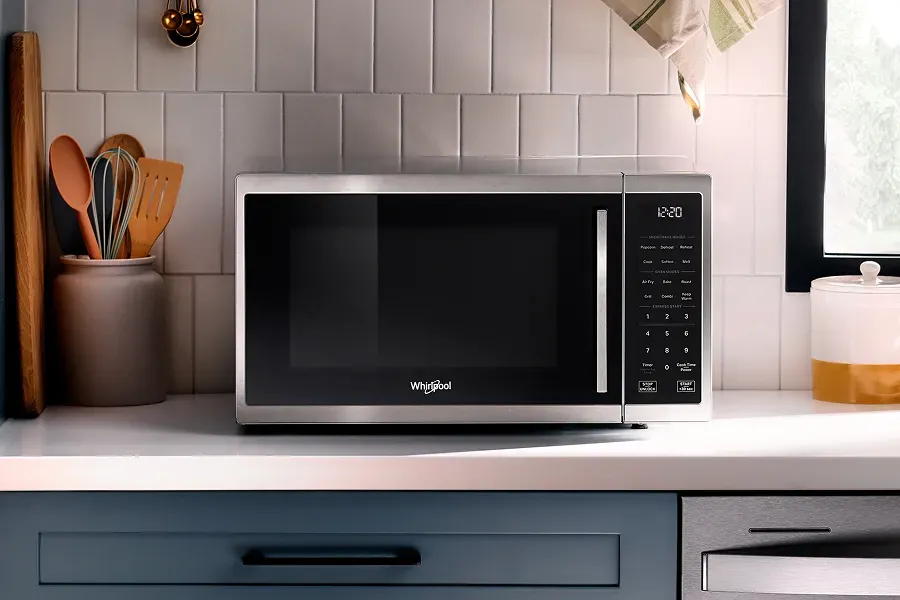
While steam cleaning works well for most messes, tougher stains may require a bit more attention. If you’re dealing with hardened food or grease buildup, you can use a baking soda paste to gently scrub the affected areas.
Mix baking soda with a small amount of water to create a thick paste, then apply it to the stained areas. Let it sit for a few minutes before wiping it away with a damp cloth. This method is effective without being abrasive, so it won’t damage the interior of your microwave.
For especially stubborn spots, repeating the steam cleaning process before scrubbing can help loosen residue even further.
Don’t Forget the Microwave Turntable and Exterior
Cleaning the inside of your microwave is important, but don’t overlook the removable components and exterior surfaces. The glass turntable should be taken out and washed separately using warm, soapy water. This helps remove grease and prevents buildup that can affect how your microwave operates.
The exterior, including the door handle and control panel, should also be wiped down regularly. These areas tend to collect fingerprints, grease, and bacteria from daily use. A damp microfiber cloth with mild soap works well for keeping the outside clean without damaging the finish.
How to Get Rid of Microwave Odors
Even after cleaning, lingering odors can sometimes stick around, especially if strong-smelling foods like popcorn or fish have been heated recently. To eliminate odors, try placing a bowl of water with lemon slices inside the microwave and heating it for a few minutes.
You can also leave a bowl of baking soda inside the microwave overnight to absorb any remaining smells. Regular cleaning combined with these simple odor-removal methods will keep your microwave smelling fresh.
What Not to Use When Cleaning a Microwave
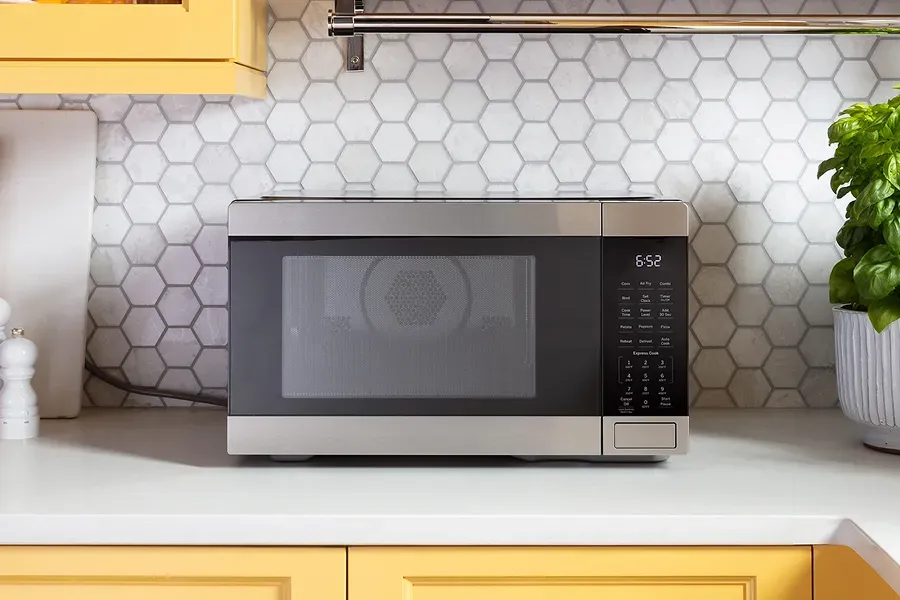
While it may be tempting to use strong cleaning products, certain chemicals and tools can damage your microwave. Avoid using abrasive scrubbers, steel wool, or harsh chemical cleaners, as these can scratch or degrade the interior surfaces.
It’s also important to avoid spraying cleaning solutions directly into the vents or control panel. Instead, apply cleaner to a cloth first, then wipe the surface. Using gentle, non-toxic cleaning methods is not only safer for your appliance but also better for your health.
How Often Should You Clean Your Microwave?
The frequency of cleaning depends on how often you use your microwave. For most households, a quick wipe-down once a week is enough to prevent buildup. A deeper clean using the steam method can be done every few weeks or as needed.
If you notice strong odors, visible splatters, or reduced performance, it’s a good sign that your microwave needs attention. Staying consistent with cleaning will make each session quicker and easier.
Simple Tips to Keep Your Microwave Clean Longer
Maintaining a clean microwave doesn’t have to be time-consuming. A few small habits can go a long way in preventing messes from building up in the first place.
Covering your food with a microwave-safe lid or paper towel helps prevent splatters during heating. Wiping up spills immediately after they happen also keeps residue from hardening over time. These simple steps reduce the need for deep cleaning and help your appliance stay in better condition.
Upgrade Your Kitchen with Metro Appliances & More
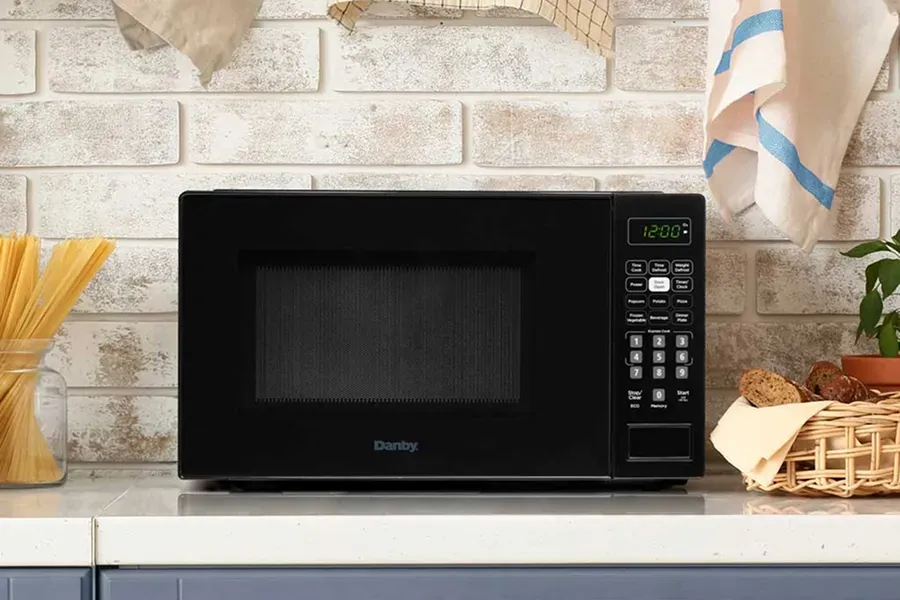
If your current microwave is difficult to clean, outdated, or no longer performing efficiently, it may be time for an upgrade. Modern microwaves offer improved interior coatings, easier-to-clean surfaces, and advanced features that make daily use more convenient.
Explore a wide selection of cooking appliances, including ranges, cooktops, wall ovens, and more, to find the right fit for your home at Metro Appliances & More. Whether you’re upgrading your microwave or planning a full kitchen refresh, expert guidance and quality products can make all the difference.
Visit one of your nearest Metro appliance stores in Arkansas, Kansas, Missouri, or Oklahoma, or browse online to compare kitchen appliances from the top brands in the industry for your home living space.
Related readings from our blog:
-
Caring for Your Kitchen Appliances: Tips to Extend Performance and Lifespan
-
To Repair or To Replace: How to Know When It’s Time for a New Appliance
FAQs: How to Clean a Microwave
What is the best way to clean a microwave naturally?
The best natural method is using steam from a mixture of water and vinegar or lemon juice. Heating this solution loosens grease and food particles, making them easy to wipe away. It’s effective, safe, and avoids harsh chemicals. This method is ideal for regular cleaning and maintenance.
Can I use dish soap to clean my microwave?
Yes, mild dish soap can be used to clean both the interior and exterior of your microwave. It works well for removing grease and light residue when applied with a soft cloth or sponge. Be sure to wipe away any soap residue with a damp cloth afterward. Avoid using excessive water near electronic components.
How do I remove burnt smells from my microwave?
Burnt smells can be removed by heating a bowl of water with lemon slices or vinegar to create steam. This helps neutralize odors and refresh the interior. Leaving a bowl of baking soda inside overnight can also absorb lingering smells. Regular cleaning helps prevent odors from returning.
How often should I deep clean my microwave?
A deep clean is recommended every few weeks, depending on how frequently you use your microwave. If you use it daily, you may need to clean it more often to prevent buildup. Regular light cleaning in between deep cleans makes maintenance easier. Staying consistent helps extend the life of your appliance.
Related Articles