The Ultimate Guide to Dishwasher Cycles & Features
Tue Aug 26 2025
If you've ever stared at your dishwasher and wondered which cycle to use, or what all those buttons do, you're not alone. Modern dishwashers come packed with advanced options that go well beyond “normal” and “heavy” cycles. Understanding what each setting does and how to load a dishwasher properly can help you get cleaner dishes, save water and energy, and make the most of your appliance.
This dishwasher buying guide breaks down common and advanced dishwasher cycles, explains the best dishwasher features, and offers tips for better loading and cleaning performance.
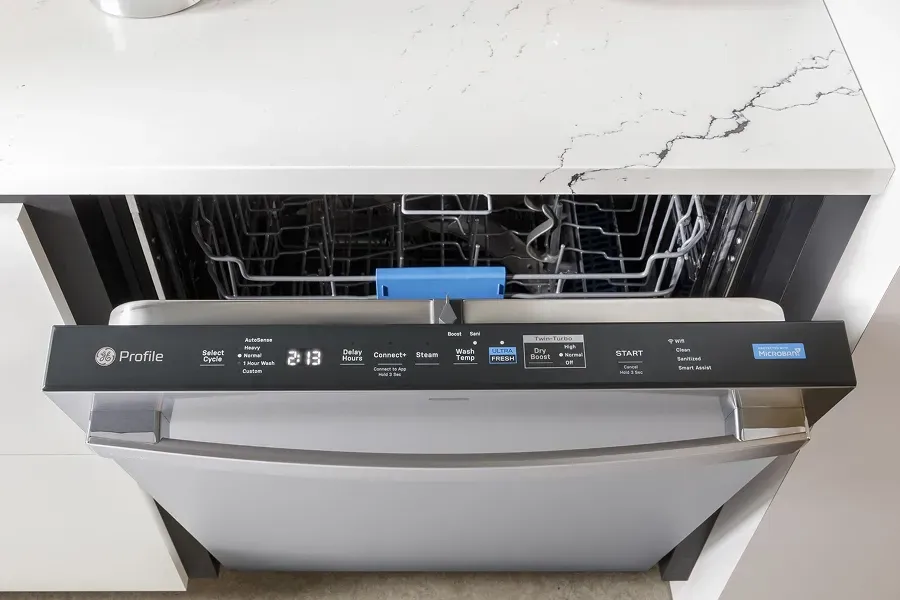
Dishwasher Cycles Explained
From powerful cleaning cycles designed for baked-on messes to gentle options made for delicate glassware, there’s a wash cycle for nearly every situation. Understanding what each one does helps you get the most out of your dishwasher and your time.
Whether you're replacing an old model or just learning more about how yours works, here's a breakdown of the most common and advanced dishwasher cycles and what they're best used for.
Normal Wash
This is the go-to cycle for everyday loads with typical food residue. It balances time, water temperature, and energy for consistent cleaning. Use this for a mix of dishes, glasses, and lightly soiled cookware.
Heavy Duty / Pots & Pans
Designed for tackling tough, baked-on food and grease, it uses higher water pressure and extended cycle times. This cycle is best used for casserole dishes, stock pots, and heavily soiled items.
Light / Delicate
Light or delicate cycles are perfect for fragile items like glassware and lightly soiled dishes. Lower water pressure and temperatures help prevent damage to delicate items.
Express / Quick Wash
These cycles are a time-saving option for when you need clean dishes fast. This option is great for small loads or lightly soiled plates and glasses. Most quick wash cycles finish in under an hour.
Sanitize Dishwasher Cycle
Sanitizing cycles use high-temperature water (often over 150°F) to eliminate 99.9% of bacteria. These are ideal for baby bottles, cutting boards, and when someone in your household is sick. Look for NSF-certified sanitize settings for peace of mind.
Rinse Only
This short cycle rinses off food residue to prevent buildup until you're ready to run a full load. It helps reduce odors and keeps dishes from drying with stuck-on food.
Sensor Wash / Auto
With these cycles, the dishwasher automatically detects soil levels and adjusts the water temperature, pressure, and cycle time accordingly. It’s one of the most efficient and intelligent cycles available.
Dishwasher Drying Options
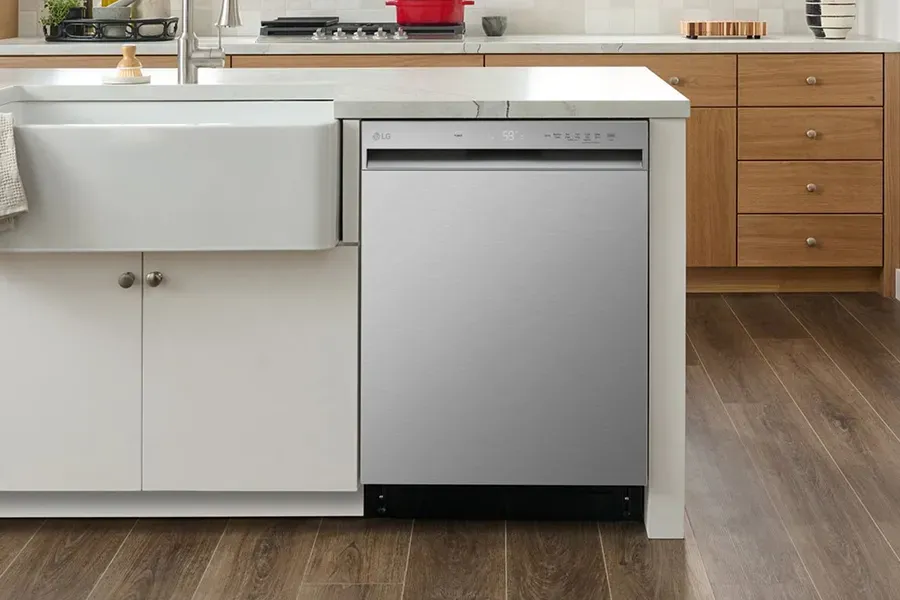
Not all drying methods are created equal. Understanding your options can help you get the best results. Here's a breakdown of the most common dishwasher drying methods and when to use them:
-
Heated Dry: This option uses an internal heating element to quickly evaporate water from your dishes. It is best for fast results, especially after dinner parties or when you're short on time. It’s highly effective but can consume more energy than other drying methods.
-
Fan Dry: This method uses a fan to circulate warm air throughout the dishwasher cavity. It promotes even and efficient drying without relying solely on heat. Fan dry is ideal for reducing water spots on glassware and offers better energy savings compared to heated dry.
-
Condensation Dry: This technique uses the heat from the final rinse and the cool walls of a stainless steel tub to draw moisture away from dishes. It is a common method in European-style dishwashers and is perfect for energy-conscious households. However, it may be less effective at drying plastic items.
-
Auto Open Door: At the end of the cycle, the dishwasher door automatically opens to release steam and let fresh air circulate to air dry your dishes. This enhances condensation drying and helps ensure better drying performance for hard-to-dry items like plastic containers and utensils.
-
Sanitize Dry: This setting uses extra-hot water during the final rinse to kill bacteria and enhance drying performance. It is often combined with the sanitize cycle and is especially useful for baby bottles, cutting boards, and anyone with heightened hygiene needs.
Each drying method has its pros and cons. Choose one based on your household’s habits: go with heated or fan dry for speed, condensation for energy savings, and auto open or sanitize dry for added thoroughness.
Best Dishwasher Features
Today’s dishwashers offer features designed to maximize cleaning and drying while minimizing energy use and hassle. Here are our dishwasher buying guide features to keep in mind.
-
Adjustable Racks: Some dishwasher models include upper racks that can be raised or lowered, giving you the flexibility to fit tall pots or stemware with ease.
-
Third Rack: Located at the top of the dishwasher, dishwashers with third racks provide extra space for utensils, measuring cups, small bowls, and flat tools, freeing up room below.
-
Hard Food Disposer or Filter: Some dishwashers come with built-in food grinders or self-cleaning filters to break down and remove leftover food, so you don’t have to pre-rinse every plate.
-
Soil Sensors: These sensors read the soil level during the wash and adjust the cycle settings to match. They help ensure efficient cleaning without wasting resources.
-
Leak Detection: High-end dishwashers may include sensors that detect leaks or pooling water and automatically shut off the appliance to prevent flooding.
-
Smart Connectivity: Wi-Fi-enabled dishwashers let you start, pause, and monitor cycles from your phone. Some models even alert you when detergent is low or when the filter needs cleaning.
-
Water Softening System: Ideal for areas with hard water, built-in water softeners reduce mineral deposits, helping prevent spots on glassware and improving overall cleaning.
-
Interior Lighting: LED lighting inside the dishwasher tub makes it easier to see when loading and unloading. It’s especially helpful in low-light kitchens or for spotting missed items.
-
Custom Wash Zones / Half Load Options: These features let you wash just the upper or lower rack when you don’t have a full load. This saves water and energy while still giving you the flexibility to clean smaller batches.
-
Flexible Tines: Fold-down or adjustable tines give you the ability to reconfigure the racks to fit larger or irregularly shaped items like mixing bowls and baking sheets.
-
Bottle Jets or Spray Arms: Some dishwashers come with specialized jets or nozzles designed to clean deep inside narrow items like baby bottles, water bottles, or vases.
-
Auto Dosing Detergent and Rinse Aid: This feature dispenses just the right amount of detergent or rinse aid based on the load size and soil level. It helps reduce waste and ensures optimal cleaning every time.

Which Dishwasher Features & Cycles Are Worth It?
Choosing the right dishwasher features depends on your lifestyle and household needs.
If you have a busy household, a large family, or love to entertain, investing in features like a third rack, sensor wash, adjustable racks, and quiet operation will absolutely pay off in convenience and performance.
If you're budget-conscious or live alone, essential features like energy-saving cycles, soil sensors, and flexible racking will still deliver great results without extra cost.
How to Load a Dishwasher for Best Results
Even the best dishwasher features and cleaning cycles can't compensate for dishes that are improperly loaded. Thoughtful loading not only helps ensure every item gets thoroughly cleaned, but it also prevents damage and maximizes the capacity of each cycle.
Whether you're using a high-tech model with a third rack and soil sensors or a basic unit with just a few settings, these tips will help you get the most from every wash:
-
Face dirty surfaces inward and downward toward spray arms.
-
Avoid overcrowding, which blocks water flow.
-
Place larger items on the bottom rack (pots, plates, casserole dishes).
-
Load cups, bowls, and glasses on the top rack.
-
Lay utensils flat on the third rack or place them handle-down in the silverware basket.
-
Keep plastic items on the top rack to avoid warping.

Need Help Choosing the Right Dishwasher?
At Metro Appliances & More, we carry the latest dishwasher models from trusted brands, including built-in dishwashers, portable dishwashers, and dishwasher drawers. Our experts can help you compare dishwasher cycles, features, drying options, and loading styles to find your perfect match.
Contact us or visit one of our appliance stores in Arkansas, Kansas, Missouri, or Oklahoma to explore these features in action, or browse our selection online for the latest in home appliances. Browse our appliances online, including refrigerators, laundry appliances, ranges, microwaves, outdoor grills, and more.
Related readings from our blog:
FAQs About Dishwasher Cycles & Features
When should I use the Sanitize cycle?
Use the Sanitize Dishwasher Cycle to eliminate bacteria. This is beneficial for cleaning baby bottles, cutting boards, or dishes during cold and flu season.
What’s the difference between Quick Wash and Normal Wash?
Quick Wash cleans lightly soiled dishes in less time, typically under an hour. Normal Wash is more thorough and suited for average daily messes.
How do soil sensors work?
Soil sensors monitor the water's cleanliness and automatically adjust the cycle’s time, pressure, and temperature to ensure efficient and effective cleaning.
Which drying option is best for plastic items?
Auto Open Door and Fan Dry work best for plastic items, since plastic doesn't retain heat well and may not dry thoroughly with condensation alone.