Laundry Stain Removal Guide
Fri Dec 19 2025
- Maintenance & Cleaning
Spills, accidents, and everyday messes happen. Whether it’s coffee, grease, wine, or grass, most stain nightmares can be tackled, if you know the right approach. A proper stain removal strategy can save your favorite clothes, reduce waste, and keep your laundry routine stress-free.
This guide will help you understand stain types, act quickly and safely, and use proven methods to get clothes looking their best again.

Why Stain Removal Matters
Stains aren’t just an eyesore, they can permanently weaken or discolor fabrics if they’re not treated correctly. Many stains bond to fibers over time, making them harder to lift the longer they sit. That means quick, informed action can be the difference between restoring a favorite garment and having to replace it altogether.
Effective stain removal also supports better long-term laundry health. When fabrics are treated with the right techniques, they maintain their texture, color, and shape far longer.
Additional benefits of stain removal include:
-
Preserving your clothes. Proper stain removal restores garments, from work shirts to kids’ clothes, without damage.
-
Saving money. Extending the life of clothes reduces the need for replacements.
-
Keeping laundry efficient. Timely stain treatment prevents stains from setting permanently, reducing repeat washing.
Stain Basics: Know What You’re Dealing With
Stains come from many sources, food, beverages, oil, dirt, ink, makeup, and more. Each type of stain requires a slightly different approach. Knowing what kind of stain you’re facing helps you choose the right treatment method:
Key Stain Types & General Guidelines
-
Protein-based stains (blood, egg, dairy): These set quickly with heat, so treat with cold water first.
-
Grease, oil, and makeup stains: Oil repels water, so use degreasers or dish soap and absorbents (baking soda or cornstarch) before washing.
-
Dirt, mud, grass: Often respond well to enzyme-based detergents after pretreating or soaking.
-
Beverage stains (coffee, wine, juice): Prompt cold-water rinse, then treat with detergent or gentle acid (vinegar or baking-soda rinse) can help.
-
Ink, dye, or marker stains: These can be stubborn; alcohol-based or specialized stain removers may be required.
Important Rules Before You Treat Stains:
-
Always check the garment’s care label for water temperature and fabric warnings.
-
Never put a stained item in the dryer until the stain is fully gone, heat can permanently set stains.
-
Always treat stains as soon as possible. Fresh stains are much easier to remove than old, set-in stains.
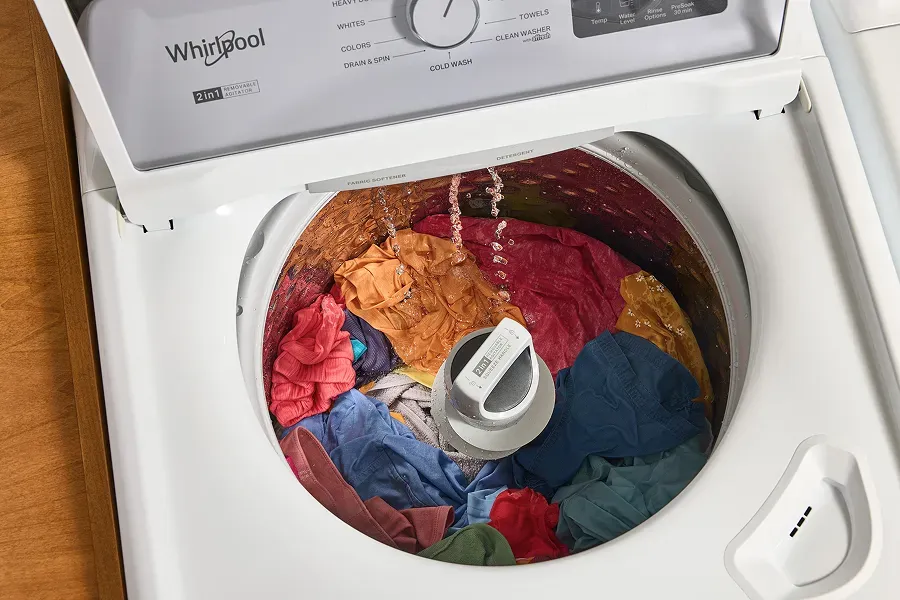
Step-by-Step Stain Removal: Best Practices
-
Remove excess material immediately. Use a spoon, dull knife, or edge to gently remove solids (food chunks, dried mud, etc.). Avoid rubbing.
-
Rinse or blot with cold water. For most stains (especially protein-based), start with cold water to prevent setting.
-
Pretreat stains.
-
Use liquid detergent, dish soap (for grease/oil), or a stain remover. Work it gently into the stain with fingers or a soft-bristled brush.
-
Allow the pretreatment to sit for 10-15 minutes (or more for stubborn stains) before washing.
-
Wash using proper settings. Match water temperature and cycle to the fabric’s care instructions. Use a good-quality detergent.
-
Inspect before drying. Confirm the stain is fully gone before drying. If you see any trace, re-treat and re-wash.
-
Air dry if in doubt. For delicate fabrics or stubborn stains, air drying is safer than using a dryer.
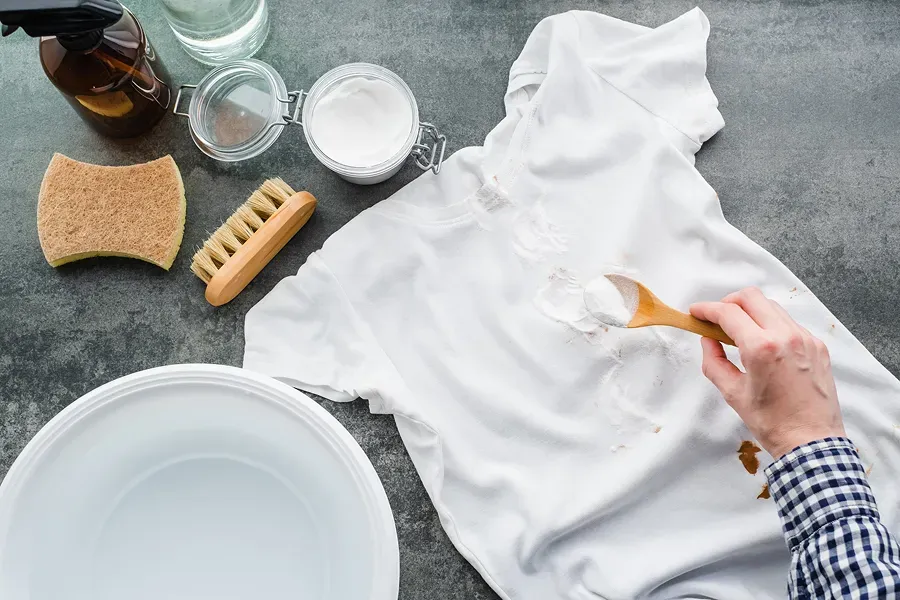
Effective DIY & Eco-Friendly Stain Removal Tricks
You don’t always need expensive stain sprays, many common household items can do the job:
-
Baking soda: Sprinkle on grease/oil stains to absorb oil before washing, or add to the wash cycle to boost cleaning power.
-
White vinegar: Useful for beverage stains (wine, juice, coffee) or deodorizing fabrics, test on a hidden patch first.
-
Dish soap & warm water soak: Especially effective on grease or oil-based stains before laundering.
-
Avoid mixing cleaning solutions. Always rinse between different treatments. Mixing chemicals (like bleach and vinegar) can damage fabric or even create hazardous fumes.
These gentle, widely available solutions make stain removal accessible, even for more eco-conscious households.
When to Use a Washer or Dryer to Remove Stains
Your choice of laundry appliances can impact how well stains get removed:
-
A powerful washer, whether standard, top-load matching, or a combination laundry unit, offers strong agitation and proper rinse cycles to flush out stains thoroughly.
-
If you use a dryer on stained clothes, make sure stains are completely removed first. For delicate fabrics or recurring stains, air drying is safer.
-
For frequent laundry loads or households with kids/pets, upgrading to modern washers, dryers, or combination sets can save time, just remember to treat stains before washing.
Keep Clothes Looking Their Best with Metro Appliances & More
With the right strategy, stain removal doesn’t have to be a gamble. Acting quickly, pretreating correctly, and using appropriate washing methods will allow you to save clothes that might have otherwise been ruined.
Treat stains as soon as they happen. Choose gentle, fabric-safe treatments. Pretreat when needed, wash carefully, and verify results before drying. By following these steps, and combining them with quality laundry appliances from Metro Appliances & More, you can keep your clothes fresh, clean, and stain-free.
When you need a dependable washer or dryer to get the job done right, consider upgrading your laundry setup with Metro’s full range of laundry appliances from top brands in the industry.
Visit one of our appliance stores in Arkansas, Kansas, Missouri, or Oklahoma, or browse online to find the right refrigerator for your home.
Related readings from our blog:
FAQs: Laundry Stain Removal Guide
What if I don’t know what caused the stain?
If you aren’t sure what caused the stain, start with a gentle approach: blot or rinse with cold water, then pretreat with a mild detergent or dish soap. Wash on the gentlest safe cycle. Avoid harsh chemicals until you know the fabric and stain type, you don’t want to risk discoloring or damaging the garment.
Is it true you should never use hot water right away on a stain?
Generally, yes, especially for protein-based stains like blood or dairy. Hot water can set these stains by binding proteins permanently to the fabric. Cold or lukewarm water gives you a much better chance of removing them.
Why treat stains before washing instead of letting detergent handle it?
Pretreating loosens and breaks down the stain so detergent can more easily lift it away. Detergent alone, especially in a full load, often isn’t enough for set-in or heavy stains. Pretreating increases your chances of removing stains in one wash.
Can natural stain removers really work as well as store-bought products?
Yes, for many common stains like grease, coffee, or juice, natural remedies like baking soda or vinegar used correctly can be very effective. Just remember to test on a hidden area first and avoid over-saturating delicate fabrics.
What if a stain doesn’t come out after the first wash?
Don’t panic. Many stains, especially older or tougher ones, require a second treatment. Pretreat again, wash (on safe settings), and air dry. Avoid using the dryer until the stain is fully gone, as heat can make it permanent.
Related Articles