Gas vs Electric Dryers: Cost, Performance, and Long-Term Value
Fri May 08 2026
- Laundry Appliances
When shopping for a new dryer, one of the most important decisions you’ll face is choosing between a gas vs electric dryer. While both options are designed to effectively dry your clothes, they differ in how they generate heat, how much they cost to operate, and how they fit into your home setup.
Understanding these differences is key to making a smart investment, especially if you’re comparing dryer operating cost, evaluating gas dryer installation cost, or trying to determine which dryer is more energy efficient. This guide breaks down everything you need to know so you can confidently choose the right dryer for your home.
Key Takeaways: Gas vs Electric Dryer Comparison
-
Gas dryers typically cost more upfront but offer lower operating costs over time
-
Electric dryers are easier to install and more accessible for most households
-
Gas dryers generally dry clothes faster due to higher heat output
-
Electric dryers are simpler to maintain and widely available
-
The best choice often depends on your home’s existing hookups and laundry habits
Understanding How Gas and Electric Dryers Work
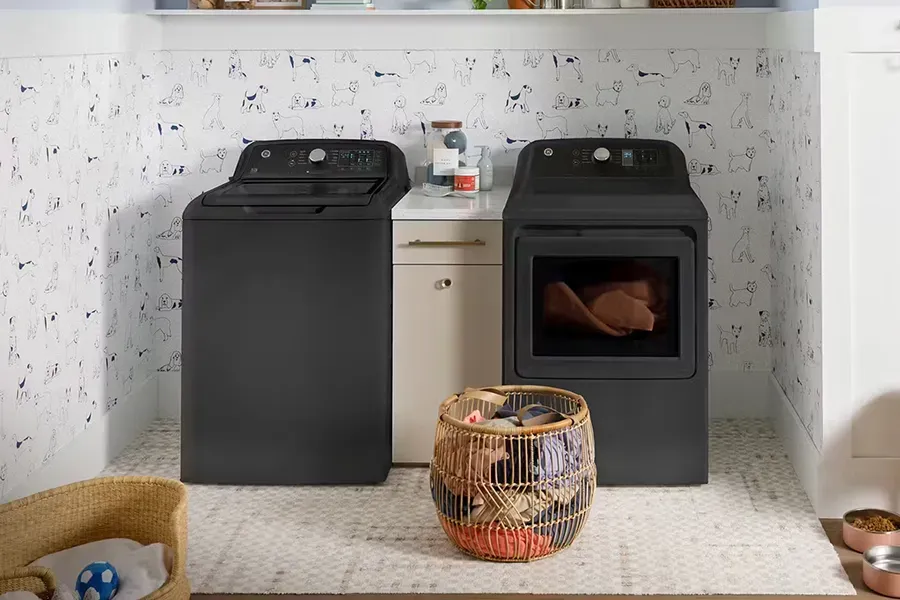
At a glance, gas and electric dryers may look nearly identical, but the way they generate heat is fundamentally different. Gas dryers rely on natural gas or propane to produce a flame that heats the air circulating through the drum. Electric dryers, on the other hand, use internal heating elements powered by electricity.
This distinction plays a major role in how each dryer performs, how efficiently it operates, and what it costs to run over time.
Installation Differences and Upfront Costs
Installation is often the first major factor that influences a buyer’s decision. Electric dryers are generally easier to install because most homes already have the required 240-volt outlet. In many cases, setup is straightforward and can be completed without additional modifications.
Gas dryers, however, require a bit more planning. In addition to proper ventilation, they need a dedicated gas line. If your home doesn’t already have one, installing a gas connection can increase upfront costs significantly. Even in homes with existing gas hookups, professional installation is recommended to ensure safety and proper function.
Dryer Operating Cost Comparison: What You’ll Pay Over Time
While electric dryers tend to be more affordable upfront, the long-term operating costs tell a different story. Gas dryers typically cost less to run because natural gas is often cheaper than electricity in many regions. Over months and years of regular use, this difference can add up to noticeable savings on your utility bills.
Electric dryers, while slightly more expensive to operate per cycle, may still make sense for households that don’t run frequent loads or don’t have access to gas. The overall cost difference will depend on your local utility rates and how often you use your dryer.
For households that do multiple loads per week, gas dryers often provide stronger long-term value.

Which Dryer Is More Energy Efficient?
When evaluating which dryer is more energy efficient, gas dryers generally have the advantage. Because they produce higher heat more quickly, they tend to complete drying cycles faster, which reduces total energy use per load.
That said, modern electric dryers have improved significantly in recent years. Many now include advanced moisture sensors, eco cycles, and energy-saving features that help reduce unnecessary drying time. While they may still use more energy overall than gas models, the gap is smaller than it used to be.
Ultimately, both options can be efficient when used properly, it just depends on how you define efficiency and how frequently you use your appliance.
Performance: Speed, Heat, and Drying Results
Performance is another area where the differences between gas and electric dryers become noticeable. Gas dryers are known for reaching higher temperatures more quickly, which allows them to dry clothes faster. This can be especially beneficial for large households or for drying heavy fabrics like towels and bedding.
Electric dryers, while slightly slower, provide consistent and even heat throughout the cycle. This can be advantageous for delicate items or smaller loads where precision matters more than speed. For many homeowners, the performance difference comes down to personal preference and daily laundry needs.
Electric Dryer Pros and Cons
Electric dryers remain a popular choice for many households because of their accessibility and ease of use. They are widely available, relatively simple to install, and typically require less specialized maintenance.
However, they do come with some trade-offs. Longer drying times and higher operating costs can impact long-term value, especially in homes where laundry is done frequently. Still, for households without gas hookups, electric dryers offer a reliable and practical solution.
Gas Dryer Pros and Cons
Gas dryers tend to appeal to homeowners who prioritize efficiency and long-term savings. Their ability to dry clothes quickly and operate at a lower cost per cycle makes them a strong investment over time.
That said, the higher upfront cost and installation requirements can be a barrier for some buyers. Additionally, gas dryers require proper ventilation and occasional professional servicing to ensure safe operation.
Maintenance and Long-Term Reliability
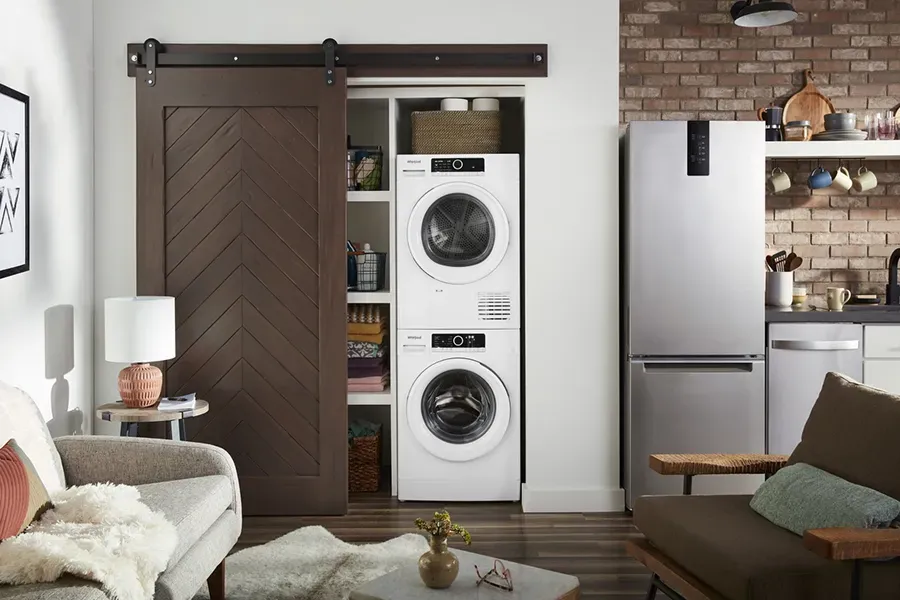
Both gas and electric dryers require regular maintenance to perform at their best. Cleaning the lint filter after every load and ensuring proper airflow through the vent system are essential for both types.
Gas dryers may require additional attention, such as periodic inspection of gas connections and burner components. Electric dryers, by comparison, have fewer specialized parts, which can make maintenance slightly simpler.
Regardless of the type you choose, consistent upkeep is key to extending the lifespan of your dryer and maintaining efficiency.
How to Choose the Right Dryer for Your Home
Choosing between gas and electric ultimately comes down to your home setup, budget, and lifestyle. If your home already has a gas line and you do frequent laundry, a gas dryer may offer better long-term value. If installation simplicity and lower upfront cost are your priorities, an electric dryer may be the better fit.
It’s also important to consider how often you use your dryer, the types of fabrics you typically wash, and your long-term energy goals. Taking all of these factors into account will help you make a decision that aligns with both your needs and your budget.
Find the Right Dryer at Metro Appliances & More
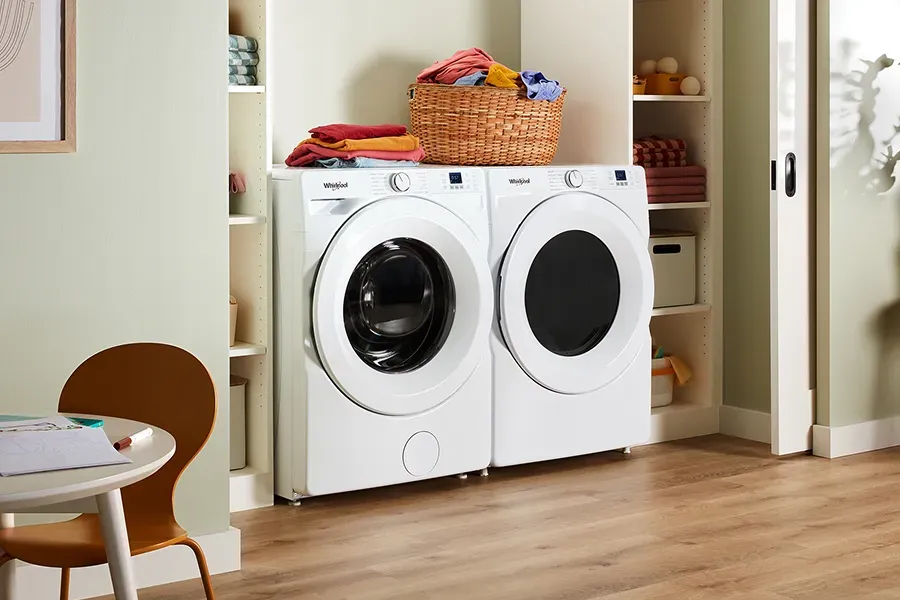
Whether you’re leaning toward gas or electric, Metro Appliances & More offers a wide selection of dryers designed to fit your home and your lifestyle. With expert guidance and a range of trusted brands, you can compare features, efficiency, and performance to find the perfect match.
Upgrading your dryer isn’t just about convenience, it’s about making a smart, long-term investment in your home.
Visit one of your nearest Metro appliance stores in Arkansas, Kansas, Missouri, or Oklahoma, or browse online to compare laundry appliances including washers and combination laundry options from the top brands in the industry for your home living space.
Related readings from our blog:
FAQs: Gas vs Electric Dryers
Is a gas dryer cheaper to run than an electric dryer?
Yes, gas dryers are typically cheaper to operate because natural gas tends to cost less than electricity in most areas. They also heat up faster, which reduces drying time and overall energy use per cycle. Over time, this can result in noticeable savings on utility bills. However, it’s important to factor in the higher upfront and installation costs when comparing total value.
Can I replace an electric dryer with a gas dryer?
Yes, but only if your home has access to a gas line or you’re willing to install one. Converting from electric to gas typically requires professional installation and proper ventilation adjustments. This can increase upfront costs depending on your home’s setup. It’s important to evaluate whether the long-term savings justify the initial investment.
Which dryer lasts longer: gas or electric?
Both gas and electric dryers generally last between 10-15 years with proper maintenance. Longevity depends more on how the appliance is used and maintained than the type itself. Regular cleaning of vents and filters plays a major role in extending lifespan. Choosing a high-quality model can also improve durability over time.
Are electric dryers safer than gas dryers?
Both gas and electric dryers are safe when installed and maintained properly. Gas dryers require additional safety considerations, such as proper ventilation and regular inspection of gas connections. Electric dryers have fewer installation risks but still require proper electrical setup. Following manufacturer guidelines ensures safe operation regardless of the type you choose.
Related Articles