Five Ideas for a More Flexible Kitchen
Fri Feb 27 2026
- Kitchen Appliances
- Design & Inspiration
Modern kitchens aren’t just for cooking, they’re where families gather, entertain, work, and even relax. As lifestyles evolve, the need for a flexible kitchen that adapts to changing needs is more important than ever. A flexible kitchen is functional, efficient, and capable of evolving with your routine, whether that means cooking big meals, hosting guests, or creating zones for different tasks.
In this guide, you’ll learn how to design a kitchen that works for you now and in the future. We cover layout tips, smart appliance placement, storage ideas, and more. Plus, you’ll find inspiration from industry design trends that support flexible and adaptable cooking spaces.
Why Flexibility Matters in Kitchen Design
Kitchens have expanded beyond meal prep to serve as multifunctional spaces. A flexible kitchen lets you:
-
Adapt to changes in family size or lifestyle
-
Entertain effortlessly with efficient flow
-
Integrate work, play, and eating zones
-
Maintain organization without sacrificing aesthetics
Flexible kitchens support today’s lifestyle demands, blending high performance, seamless design, and intuitive functionality.
1. Create Purposeful Work Zones
One of the best ways to make a kitchen flexible is to break it into functional zones. Instead of the old “kitchen triangle,” designers now use zoning to tailor space to how you actually use it, cooking, prepping, cleaning, storing, and socializing, which boosts both efficiency and adaptability.
Here are essential zones to consider:
-
Prep Zone: Near the sink and fridge for easy access
-
Cooking Zone: Centered around your cooktop and oven
-
Cleanup Zone: Anchored by the dishwasher and sink
-
Serving/Entertainment Zone: Space for plating or seating
This zoning reduces unnecessary steps and keeps tasks organized.
Flexible Layouts for Every Kitchen Size
No matter your kitchen’s footprint, there are layout strategies that increase flexibility and improve flow:
Open Concept Layouts
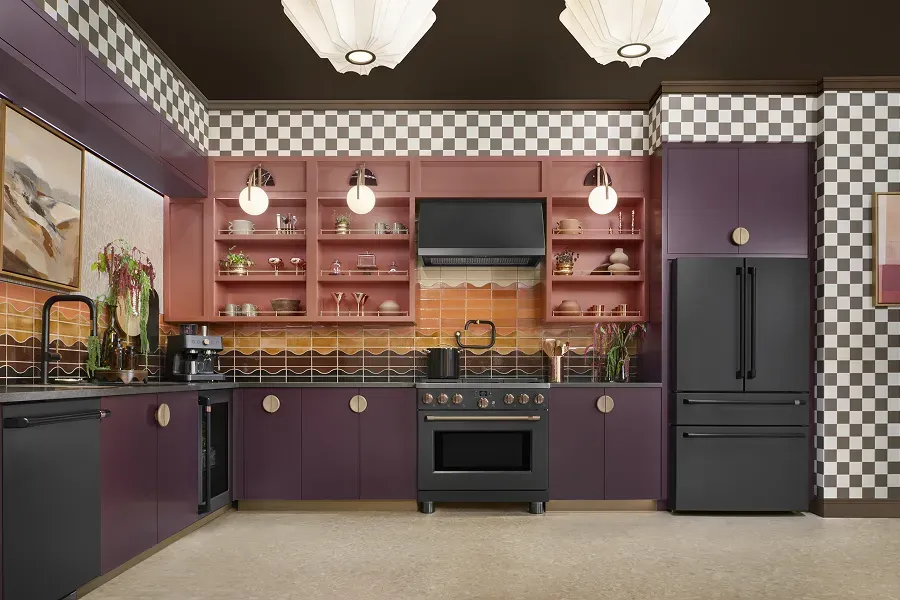
Open kitchens that blend into dining and living spaces help you move freely, interact with guests, and create a social hub. These layouts feel larger and more connected.
Multi-Directional Workflows
Rather than rigid patterns, consider layouts that allow multiple cooks to work simultaneously without congestion. Islands, peninsulas, and L-shaped designs naturally support this.
Defined Zones for Purpose
Allocate areas for specialty tasks like coffee stations or baking zones to keep high-use items accessible but not intrusive.
2. Optimize Storage for Adaptability
A flexible kitchen thrives on smart storage. Clutter makes even a large kitchen feel cramped, while thoughtful storage keeps everything visible and accessible.
Drawer-First Designs
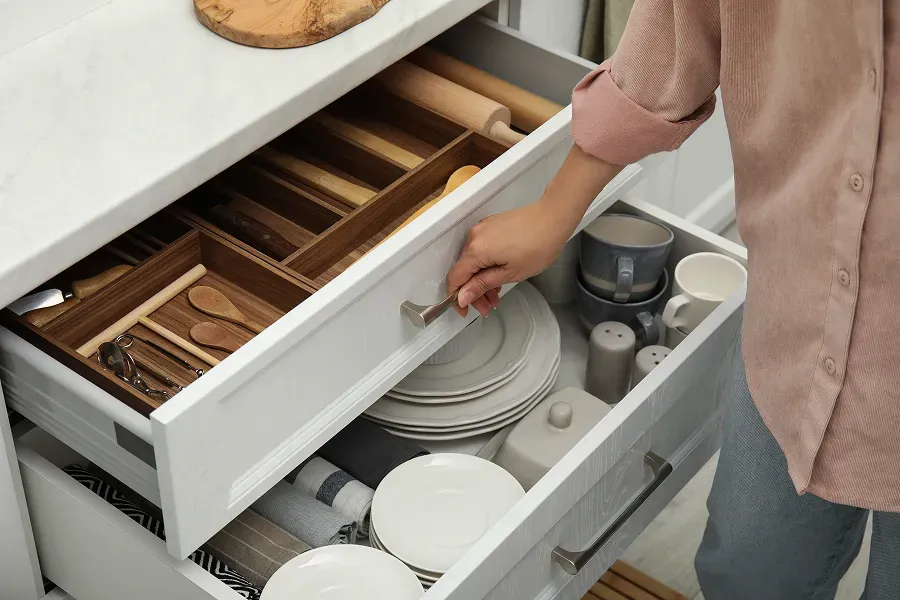
Instead of deep cabinets, think about wide drawers that make utensils, pots, and dishes easier to reach. Drawers reduce bending and improve daily workflow.
Moveable Storage Solutions
Pull-out pantries, rolling carts, and modular inserts help you reconfigure storage as needs change over time.
Appliance Garages & Hidden Storage
Hiding small appliances when not in use clears counter space while keeping items accessible, perfect for multifunction kitchens.
3. Choose Appliances That Support Flexibility
Selecting the right appliances is crucial to a kitchen that adapts to different tasks.
Flexible Refrigeration
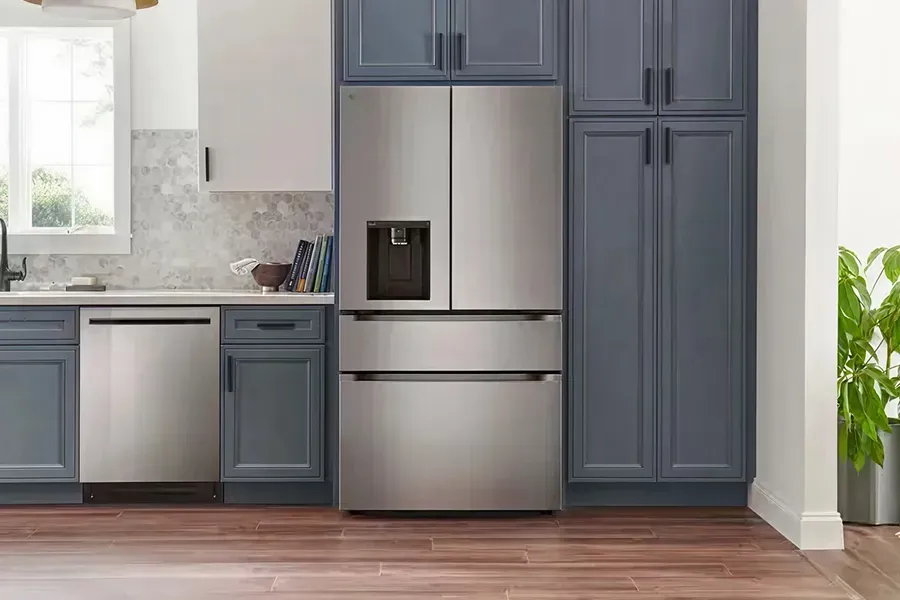
Modern refrigeration options accommodate varying food storage needs, from large family meals to weekly entertaining. Explore a variety of models in the Metro Appliances & More refrigeration selection.
Cooktops & Ranges That Expand Functionality
Modular cooktops and ranges allow you to cook multiple dishes at once, freeing up time for prep, plating, or socializing. Shop a variety of cooking appliances in Metro’s cooking appliance catalog.
Dishwashers Designed for Workflow
Installing a dishwasher in a convenient “cleanup zone” prevents bottlenecks in busy kitchens. Drawer-style dishwashers and models with flexible racks can adapt to your load size and lifestyle.
Layered Lighting for Dynamic Use
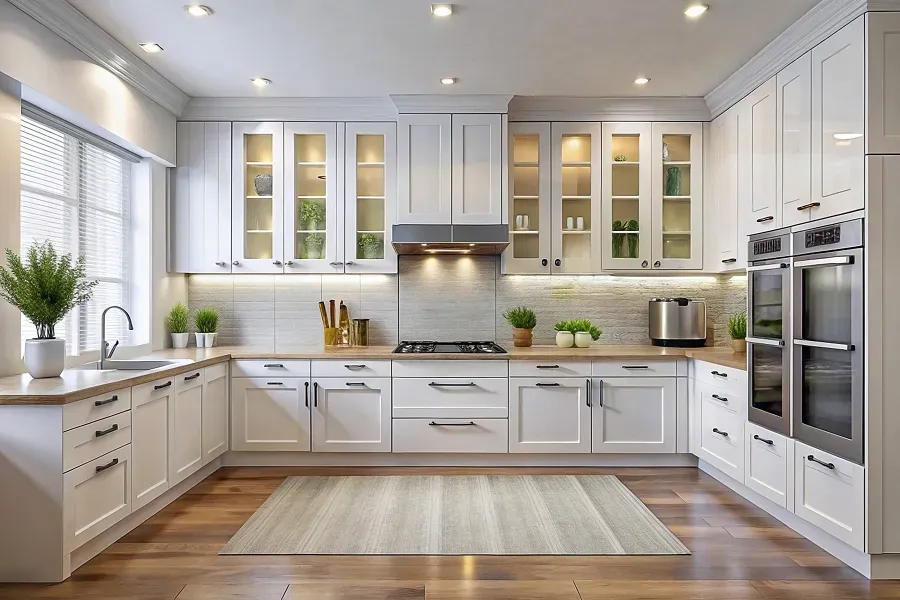
Lighting plays a significant role in how a space is perceived and used. Layered lighting supports both task functionality and ambiance:
-
Task Lighting: Over prep and cooking zones
-
Ambient Lighting: General illumination for the room
-
Accent Lighting: Highlighting features like islands or shelves
Bright, flexible lighting plans allow you to switch from intense cooking mode to casual entertaining with ease.
Smart & Modular Kitchen Technology
Technology helps kitchens adapt more smoothly:
-
Smart ovens and hoods adjust heat and ventilation based on cooking tasks.
-
Connected refrigerators can remind you of food items and expiration dates.
-
Integrated appliances create cleaner sightlines and better organization.
These features make your kitchen more intuitive, responsive, and equipped to handle diverse uses.
4. Bring Social and Dining Areas Into the Mix
Kitchens are more inviting when designed as social spaces. Consider integrating:
-
Breakfast nooks or seating near workspaces
-
Islands with seating for casual meals or homework spots
-
Open zones that allow mingling while cooking
These shared areas make kitchens more flexible and family-friendly.
5. Avoid Common Design Pitfalls
Design experts warn against practices that reduce flexibility:
-
Cluttering countertops with small appliances
-
Overcrowding upper cabinets without functional storage
-
Ignoring workflow distances between key areas
Instead, plan for visibility, accessibility, and adaptability throughout daily use.
Why Metro Appliances & More Is Your Flexible Kitchen Partner
Whether you’re renovating or just updating, Metro Appliances & More offers a wide selection of appliances and expert design guidance that supports flexible kitchen layouts:
-
Cooking appliances that adapt to multifunction use
-
Refrigeration solutions that keep items organized and accessible
-
Dishwasher options that fit unique workflows
The right mix of appliances and design strategies helps your kitchen work harder, and smarter.
Ready to build a kitchen that’s as adaptable as your lifestyle? Explore top appliances and design inspiration from Metro Appliances & More today. Start designing a kitchen that not only meets your needs but anticipates them.
Visit one of our appliance stores in Arkansas, Kansas, Missouri, or Oklahoma, or browse online to find the latest flexible kitchen design solutions for your home.
Related readings from our blog:
FAQs: Flexible Kitchen Design Ideas
What makes a kitchen flexible?
A flexible kitchen adapts to multiple tasks and users through thoughtful layouts, adaptable storage, and versatile appliances.
Can I make a small kitchen feel more flexible?
Yes, open layouts, efficient storage, and multipurpose islands or drawers can make even compact kitchens feel more adaptable and functional.
Do I need to renovate to create a flexible kitchen?
Not always. Updating workflow zones, reorganizing storage, and choosing better appliances can dramatically improve flexibility without major construction.
Related Articles