Energy-Efficient Refrigerators: What to Look For Before Buying
Fri Mar 13 2026
- Energy Efficiency
Refrigerators run 24 hours a day, 7 days a week, making them one of the largest energy users in your home. Choosing an energy-efficient refrigerator doesn’t just lower your electric bill; it also reduces environmental impact and improves long-term performance.
If you're shopping for a new refrigerator, knowing what truly impacts efficiency can help you make a smart, cost-effective decision. Below, we break down exactly what to look for before buying.
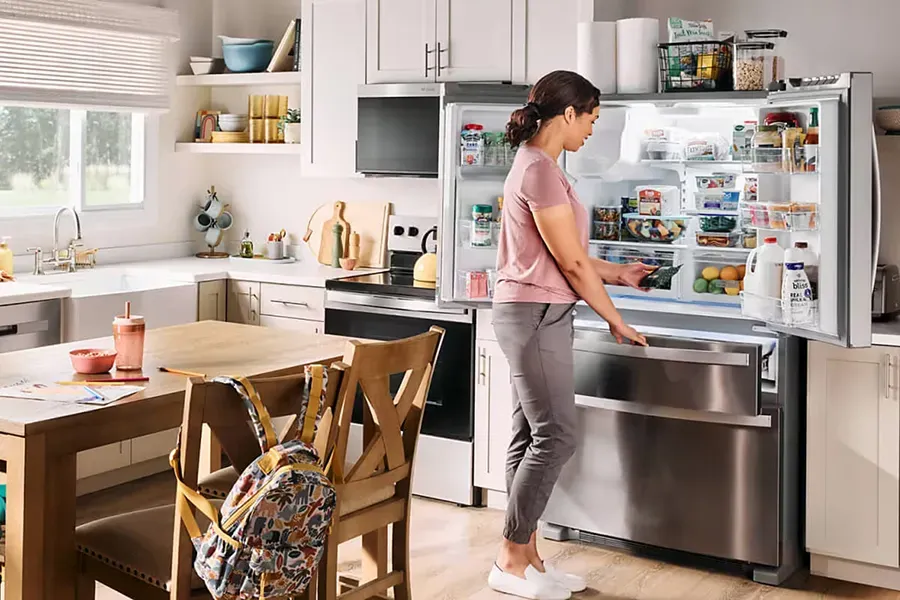
Why Energy Efficiency Matters in a Refrigerator
Unlike most appliances that cycle on and off, refrigerators are always working. Older models can use significantly more electricity than modern, high-efficiency designs.
Upgrading to an energy-efficient refrigerator can:
-
Reduce annual energy costs
-
Maintain more consistent temperatures
-
Extend food freshness
-
Reduce strain on your home’s electrical system
Over the lifespan of the appliance, those savings can add up to hundreds of dollars.
1. Look for ENERGY STAR® Certification
One of the most important things to check is certification from ENERGY STAR.
Refrigerators that earn this certification meet strict efficiency guidelines set by the U.S. Environmental Protection Agency. According to the program, certified models use significantly less energy than standard models without sacrificing performance.
ENERGY STAR refrigerators:
-
Use advanced compressors
-
Feature improved insulation
-
Incorporate more precise temperature management systems
Choosing certified models ensures you’re investing in verified efficiency, not just marketing claims.
2. Understand Refrigerator Styles and Efficiency Differences
Different refrigerator configurations impact energy usage. The best style for you depends on layout preferences and storage needs, but efficiency can vary.
French Door Refrigerators
French door refrigerator models are popular for their wide shelves and bottom freezer drawers. Many modern French door designs are highly efficient thanks to dual evaporators and improved airflow systems.
Because you only open one door at a time, they can reduce cold air loss compared to traditional full-width doors.
Bottom Freezer Refrigerators
Bottom freezer refrigerator models position fresh food at eye level, which means less door-open time while searching for everyday items, helping conserve energy over time.
Side-by-Side Refrigerators
Side-by-side refrigerator models typically use slightly more energy due to vertical freezer compartments and ice makers, but many ENERGY STAR versions remain efficient choices.
Top Mount Refrigerators
Top mount refrigerator (freezer on top) models are often among the most energy-efficient designs because of their simpler configuration and fewer mechanical components.
They’re also typically more budget-friendly upfront.
Built-In Refrigerators
Built-in refrigerator units are designed for seamless cabinetry integration. While larger and more premium in price, many newer built-in models incorporate advanced efficiency technologies that offset their size.
Specialty Refrigerators
Specialty refrigerator options like beverage centers, wine columns, and column refrigeration offer targeted cooling zones that reduce the need to open your main refrigerator frequently, improving overall efficiency in your kitchen.
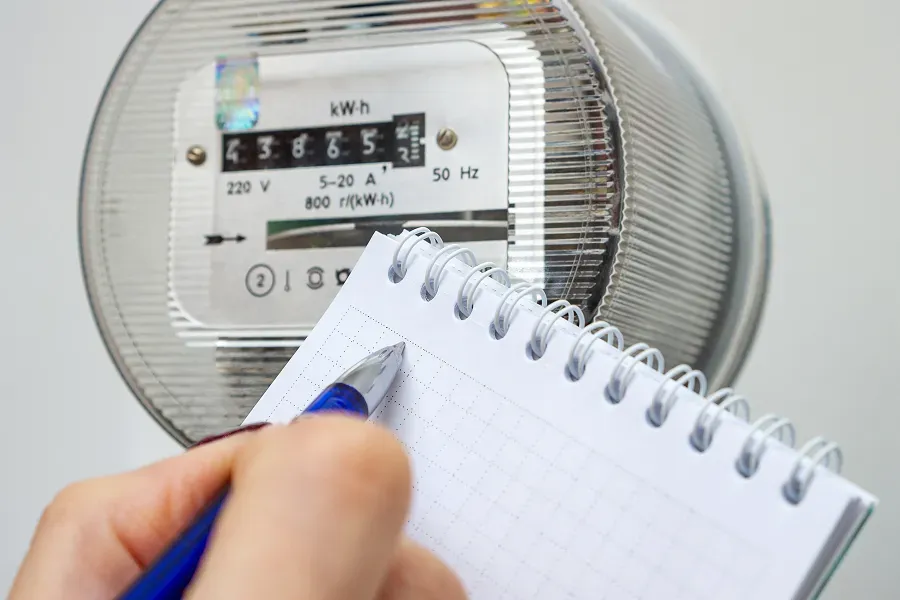
3. Check Annual Energy Consumption (kWh)
Every refrigerator includes a yellow EnergyGuide label estimating annual electricity use in kilowatt-hours (kWh).
When comparing models:
-
Look at yearly kWh consumption
-
Compare estimated annual operating cost
-
Consider size-to-efficiency ratio
A slightly higher purchase price can often mean significantly lower lifetime operating costs.
4. Evaluate Size Carefully
Bigger isn’t always better.
An oversized refrigerator:
-
Uses more energy
-
Takes longer to cool
-
Wastes space if not fully utilized
Choose a model that fits your household size and grocery habits. For most families, 20-25 cubic feet is sufficient, but lifestyle matters more than general rules.
Buying the right capacity prevents unnecessary energy waste.
5. Pay Attention to Compressor Technology
Modern refrigerators often use inverter compressors instead of traditional single-speed compressors.
Benefits include:
-
Quieter operation
-
More consistent temperature control
-
Lower energy consumption
Inverter systems adjust cooling output based on demand instead of cycling on and off at full power.
6. Consider Smart Features, But Evaluate Them Wisely
Smart refrigerators can monitor temperature, alert you if doors are left open, and optimize cooling cycles.
While technology can improve efficiency, not all smart features directly impact energy use. Focus on features that:
-
Reduce door-open time
-
Improve airflow management
-
Provide maintenance alerts
Convenience is great, but verified efficiency matters more.
7. Ice Makers and Dispensers: Efficiency Impact
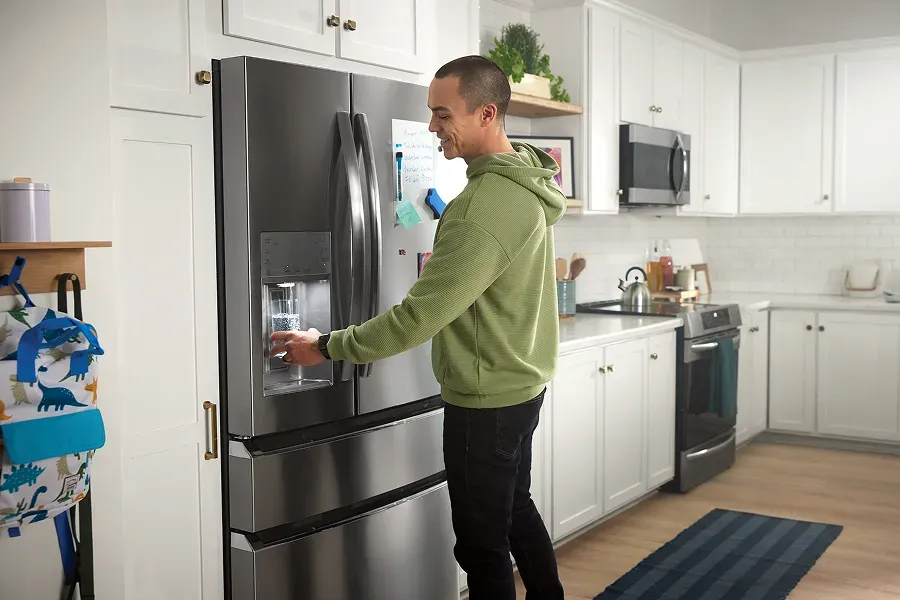
Built-in ice makers and through-the-door dispensers add convenience, but they can slightly increase energy consumption.
If energy savings is your top priority, consider:
-
Internal ice makers instead of external dispensers
-
Models without constant water heating features
The difference may be modest, but over time it contributes to operating costs.
8. Insulation & Door Seals Matter
Advanced insulation keeps cold air inside and reduces compressor workload.
Look for:
-
Thick door gaskets
-
Tight sealing when closed
-
Solid construction
Proper sealing ensures your refrigerator maintains temperature without overworking.
9. Temperature Control Systems
Dual evaporators, multi-zone cooling, and humidity-controlled drawers improve food preservation and reduce energy strain.
Better airflow means:
-
Faster temperature recovery
-
Less frost buildup
-
More consistent cooling
Efficient airflow equals less wasted electricity.
10. Think Long-Term: Repair vs Replace
If your current refrigerator is over 10-15 years old, upgrading to a new energy-efficient model can significantly reduce electricity usage.
Older units can use nearly double the energy of modern certified models. In many cases, replacement pays for itself through utility savings over time.
Find the Right Energy-Efficient Refrigerator at Metro Appliances & More
Energy efficiency is about more than a sticker, it’s about smart design, the right size, and reliable performance.
At Metro Appliances & More, you can explore a wide range of ENERGY STAR-certified models across all refrigerator styles to find one that matches your space, budget, and sustainability goals.
Visit your nearest showroom or browse online to Visit one of our appliance stores in Arkansas, Kansas, Missouri, or Oklahoma, or browse online to compare features, efficiency ratings, and configurations, and make a confident investment in your home’s future.
Related readings from our blog:
FAQs: Energy-Efficient Refrigerators: What to Look For Before Buying
Do energy-efficient refrigerators cost more?
They may have a slightly higher upfront cost, but lower operating expenses typically offset that investment over the appliance’s lifespan.
How much can I save with an ENERGY STAR refrigerator?
Savings vary by model and usage, but many homeowners save 10-20% annually compared to standard models.
Are larger refrigerators less efficient?
Generally yes, larger units use more electricity, so choosing the right size is essential.
Do refrigerator styles affect efficiency?
Yes. Top mount models are often the most efficient, while larger specialty configurations may consume more power depending on features.
Related Articles