Best Way To Keep Food From Spoiling
Wed Jun 18 2025
- Maintenance & Cleaning
There’s nothing worse than opening the fridge and finding last night’s leftovers have turned, or worse, discovering your produce drawer smells off. If your food is spoiling faster than it should, the culprit might be your refrigerator.
Knowing how to prevent food spoilage starts with refrigerator temperature, proper storage, and a few smart habits. In this guide, we’ll cover what causes food to spoil, how to store it correctly, and when it might be time to replace your fridge.
What Temperature Should a Refrigerator Be?
According to the USDA, the safe refrigerator temperature is 40°F or below, and the freezer should be at 0°F.
If your fridge runs warmer, even by a few degrees, bacteria can multiply quickly, putting your food (and health) at risk. Invest in a fridge thermometer or check your display panel to make sure you're in the safe zone.
What Causes Food Spoilage?
There are a few main reasons food goes bad:
-
Bacteria and Mold: Thrive in warm, moist environments.
-
Air Exposure: Oxygen accelerates decay and mold growth.
-
Poor Temperature Control: A warm fridge can ruin food fast.
-
Cross-Contamination: Raw meats leaking onto other items is a common cause.
10 Easy Ways to Prevent Food from Spoiling
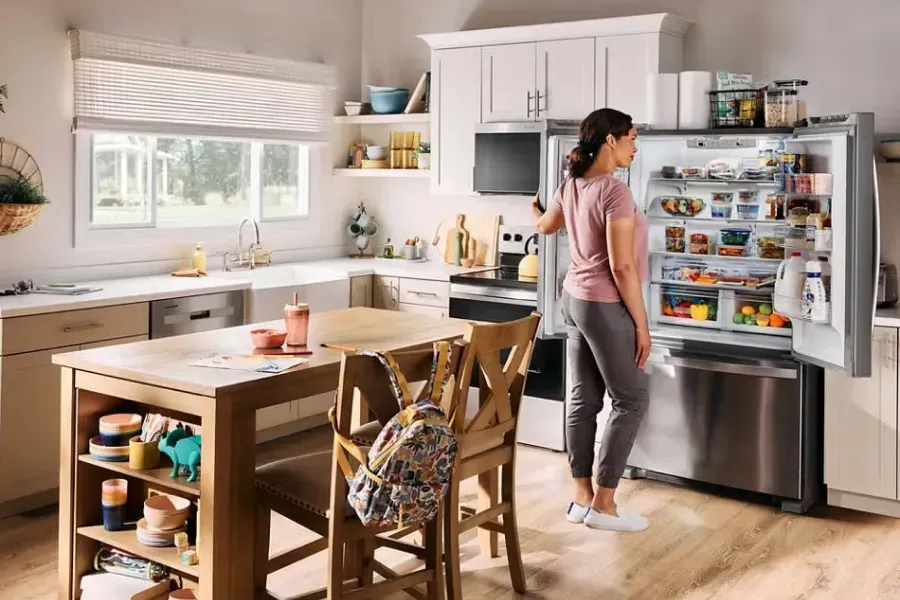
Want your groceries to last longer? These tips can help:
-
Keep your fridge at 40°F or lower
-
Store raw meat on the bottom shelf to avoid drips and cross-contamination
-
Use airtight containers for leftovers and produce
-
Don’t overcrowd your fridge – air circulation matters
-
Label leftovers with a date and stick to the “4-day rule.”
-
Clean spills right away to prevent the spread of bacteria
-
Use produce drawers correctly – high humidity for leafy greens, low for fruits
-
Don’t store eggs or milk in the door – it’s the warmest spot
-
Check for spoiled items regularly and toss when in doubt
-
Keep a thermometer inside to monitor true internal temperature
Signs of Spoiled Food in the Fridge
Here’s what to look (and sniff) for:
-
Sour or “off” smell
-
Slimy or sticky texture
-
Discoloration
-
Gas build-up in sealed containers
-
Mold spots, even on hard foods
When in doubt? Toss it out.
Why Your Fridge Might Be the Problem
Even if you're doing everything right, your refrigerator may not be. Common red flags include:
-
Uneven cooling (some shelves feel warmer than others)
-
Loud cycling or strange noises
-
The door doesn’t seal properly
-
Frost buildup in the fridge compartment
-
Food spoils before the expiration date regularly
If any of these sound familiar, it might be time to replace your refrigerator.
Top Refrigerators That Keep Food Fresher, Longer
If your fridge is more than 10–15 years old, repairs are frequent, or you’ve noticed rising utility bills, it's worth upgrading. New models are not only better at maintaining safe temperatures, they’re also more energy efficient and packed with food-saving tech.
At Metro Appliances & More, we carry refrigerators built to keep food at safe temperatures with smart cooling technology, better organization, and energy-efficient operation.
Whirlpool® 25 cu. ft. French Door Bottom Mount RefrigeratorThis French Door refrigerator offers convenient features and flexible storage, with a refrigerated exterior drawer for quick access and an exterior water dispenser for freshly filtered water and ice. Adjustable shelves and gallon door bins make it easy to organize and store items of all sizes.
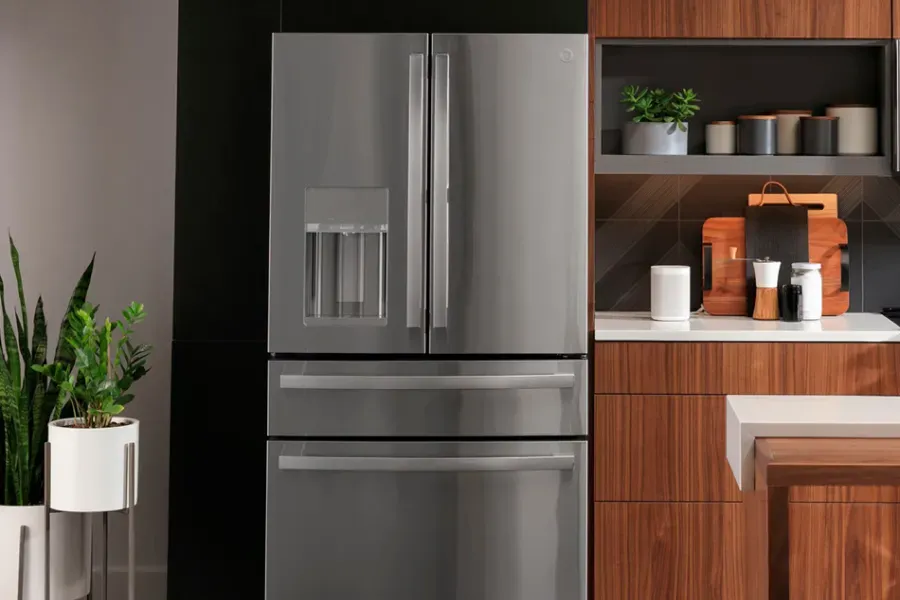
GE Profile™ 27.9 cu. ft. Smart 4-Door French Door RefrigeratorModel PVD28BYNFS
Keep food at peak freshness with TwinChill™ evaporators, separate climate controls for fridge and freezer, and a full-width drawer with LED light that lets you store platters, snacks, or meats at precise temps.
LG 29 cu. ft. InstaView™ Door-in-Door® RefrigeratorModel LF29S8365S
Knock twice to see inside without letting cold air out. With Smart Cooling Plus, linear compressors, and door sensors, this fridge works hard to maintain even temperatures and reduce food waste.
Café™ ENERGY STAR® 27.8 cu. ft. Smart French-Door RefrigeratorModel CFE28TP4MW2
A luxurious pick with advanced climate control, a precise water filtration system, and customizable drawers for meats, cheeses, or beverages, all while blending seamlessly into your modern kitchen.
Keep Your Food Fresh With the Right Appliances
Preventing food spoilage starts with temperature control, smart storage, and the right refrigerator. If your current fridge isn’t cutting it, don’t wait until the next spoiled gallon of milk or soggy produce haul.
At Metro Appliances & More, we’re here to help you find a refrigerator that keeps your food safe, fresh, and organized. Explore our refrigerators for sale and more in person, contact us, or visit us at one of our appliance store locations across Arkansas, Kansas, Missouri, and Oklahoma. We’re here to help you find a fridge that will help you reduce food waste from spoilage.
Browse our refrigerators online, including French-door refrigerators, bottom-freezer refrigerators, freezers, and more.
Related readings from our blog:
- Freezers And Ice Makers: What You Need To Know
-
Keep Your Refrigerator Efficient Using the Drawers Appropriately
FAQ: Preventing Food Spoilage in the Fridge
What are the main causes of food spoilage?
The top causes are bacteria, mold, poor temperature control, and cross-contamination from raw foods.
How can I keep food from spoiling in the fridge?
Use airtight containers, avoid overcrowding, and store perishable items properly. Also, keep your fridge clean and check its temperature regularly.
Why is my food going bad so quickly in the fridge?
Your fridge may not be cooling evenly or holding a safe temperature. A faulty seal, an aging compressor, or blocked air vents could be to blame.
How do I preserve food in the refrigerator?
Related Articles